
Nuclear Physicist, PhD.
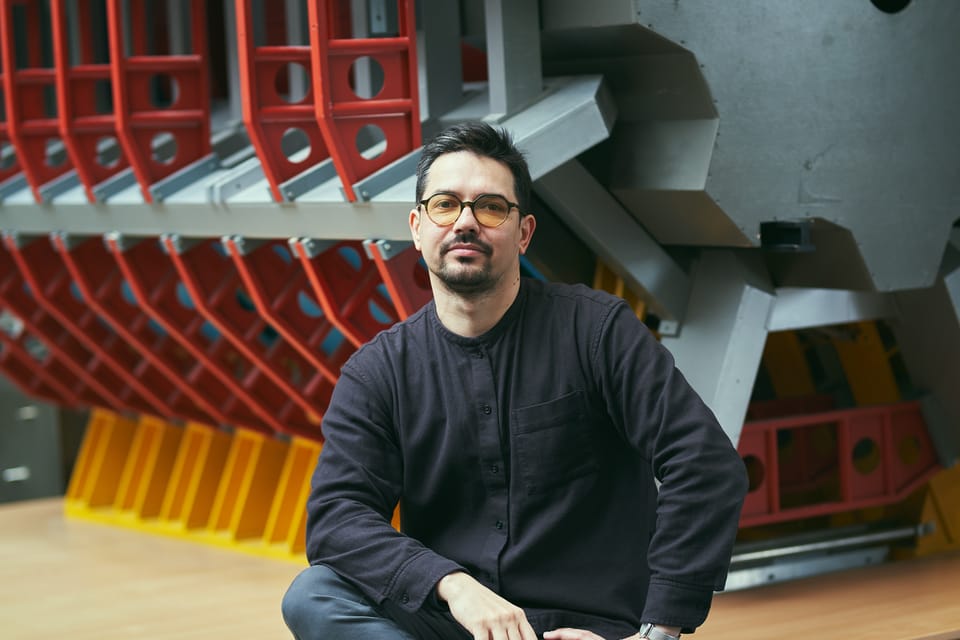
My main professional title is:
research scientist in experimental high-energy physics.
Academic profiles:
ORCID | ResearchGate | Web of Science | Loop
› Chronology of my journey
· 1989
Born in a small village in central Ukraine
· 1994
Moved to the capital with my parents (Kyiv, Ukraine)
· 2005
Started my degree in physics at the university of Kyiv-Mohyla Academy (Kyiv, Ukraine)
· 2010
Started an internship in ZEUS experiment at DESY (Hamburg, Germany). Big deal for me – going abroad for the first time + working in a big laboratory that had immensely more funding than Ukrainian research institutes.
· 2011
Did an internship in DØ experiment at Fermilab (Chicago, USA)
For the 1-st time working in operations of an active experiment.
· 2011
Got accepted for the PhD programme at the Hamburg University, doing my research with CMS experiment at DESY laboratory (Hamburg, Germany). The results of my research are documented in my PhD thesis (312 pages).
· 2015
Started a series of postdoctoral positions at INFN nuclear-physics laboratory (Turin, Italy). Beyond CMS Collaboration, also joined FOOT collaboration to build its calorimeter, as well as contributed to LEMMA experiment and Muon Collider design study.
· 2022
Won a project-associate contract at CERN laboratory (Geneva, Switzerland). Continued working with CMS, IMCC (formerly Muon Collider) and FOOT collaborations.
· 2024
Returned to INFN laboratory (Turin, Italy). Won a R4I technology-transfer grant with my MuLiner project.
· 2025
Started teaching at UPO university (Vercelli, Italy). Assigned as convener of the CMS Tracker detector-performance group, to coordinate the development and maintenance of its digital-twin simulation model.
Over the 15+ years of my academic career, the primary focus of my research has been the CMS experiment at the Large Hadron Collider (LHC). My work there spanned across many disciplines:
- big-data physics analyses, like the search for the Higgs-boson production in association with top quarks (EPJC publication)
- development of algorithms for micron-level alignment of the silicon sensors (NIM-A publication) + building of quality-control systems for wafer-level testing of microchips (NIM-A publication)
- coordination of a detector-performance group (Project page)
- leading the operations crew during data taking
- and many more.
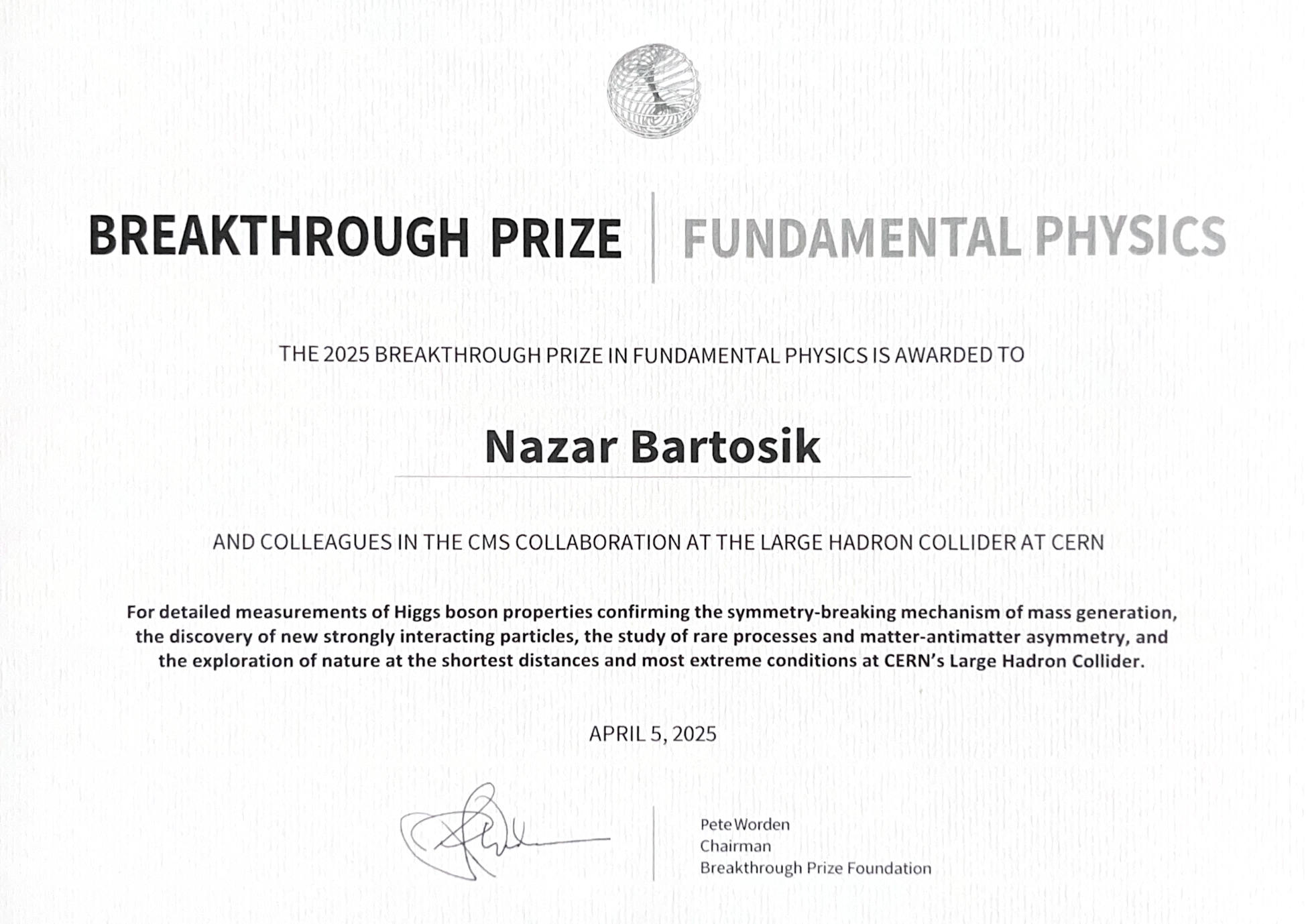
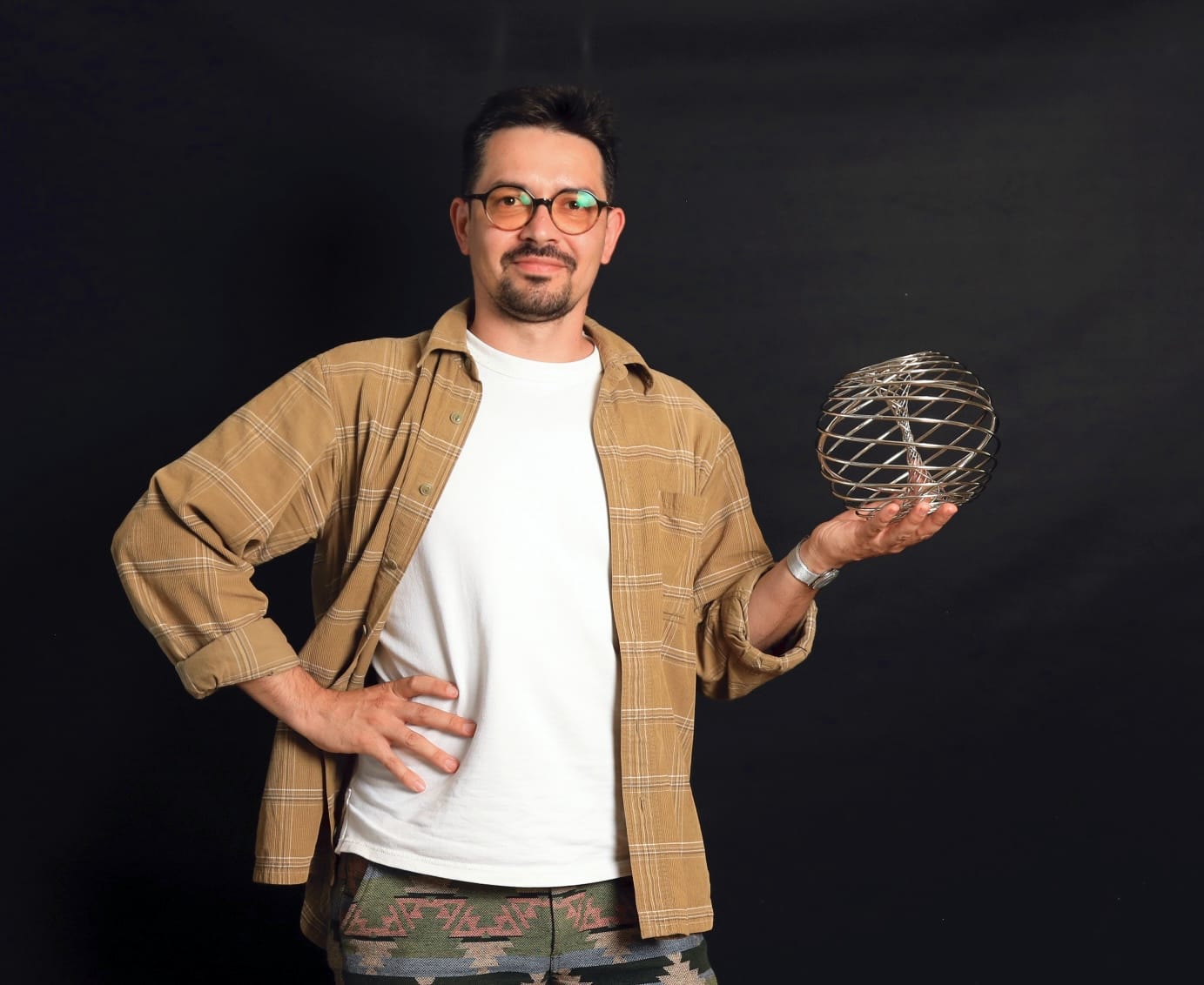
Breakthrough Prize (certificate and a photo of me with the trophy) for the contribution to the measurement of the Higgs-boson properties (issued to every member of the CMS collaboration)
Outside of the big international CMS Collaboration (4000+ members), I'm also a member of several smaller-scale projects:
- IMCC (International Muon Collider Collaboration) – simulation design study of a high-energy muon-collider experiment as a potential successor of the Large Hadron Collider;
- FOOT (FragmentatiOn Of Target) – portable experiment for precise measurement of secondary radiation produced during hadron therapy of deep-seated cancer tumors;
- LEMMA (Low EMittance Muon Accelerator) – experimental feasibility study of the collimated muon-beam production through electron-positron annihilation.
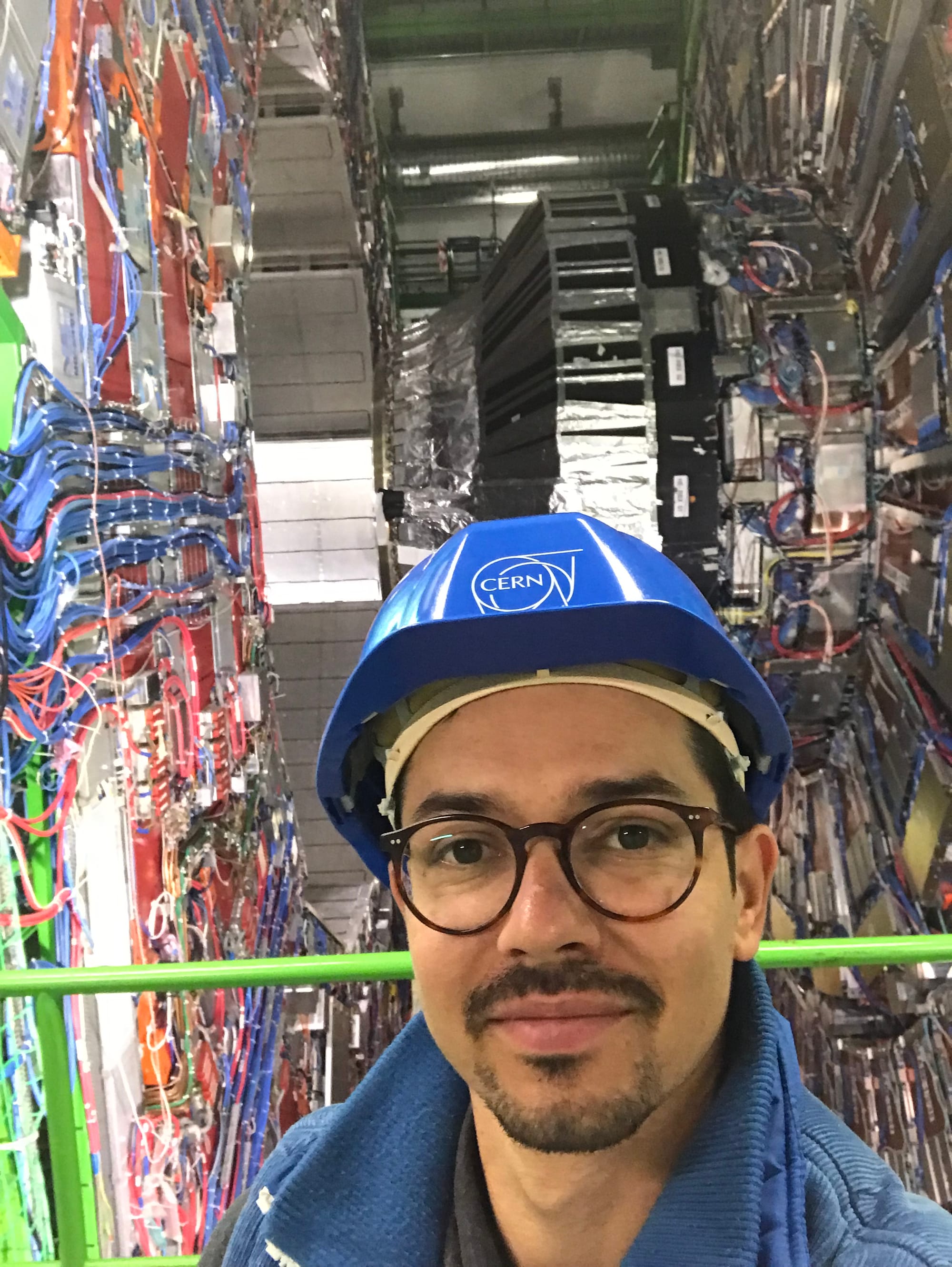
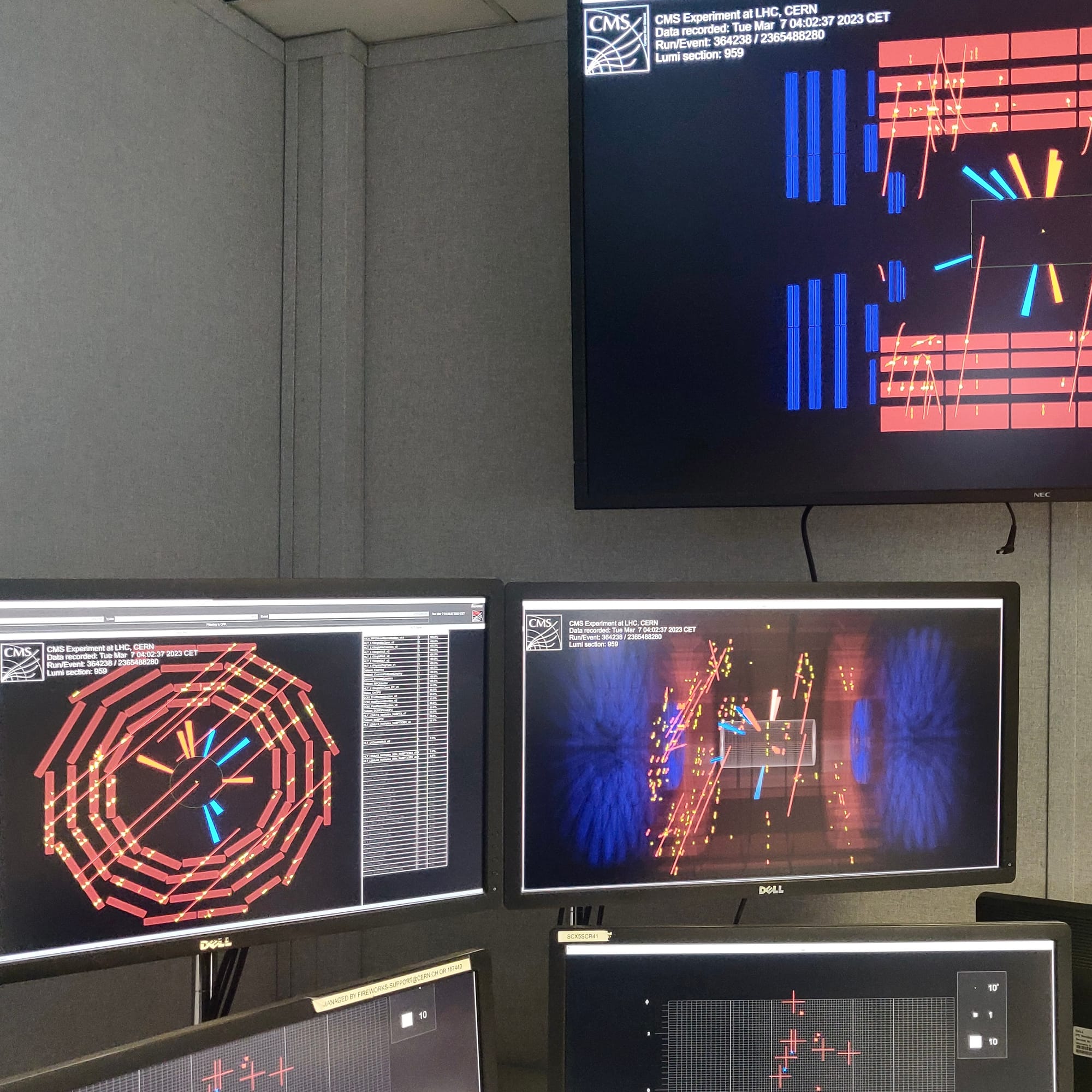
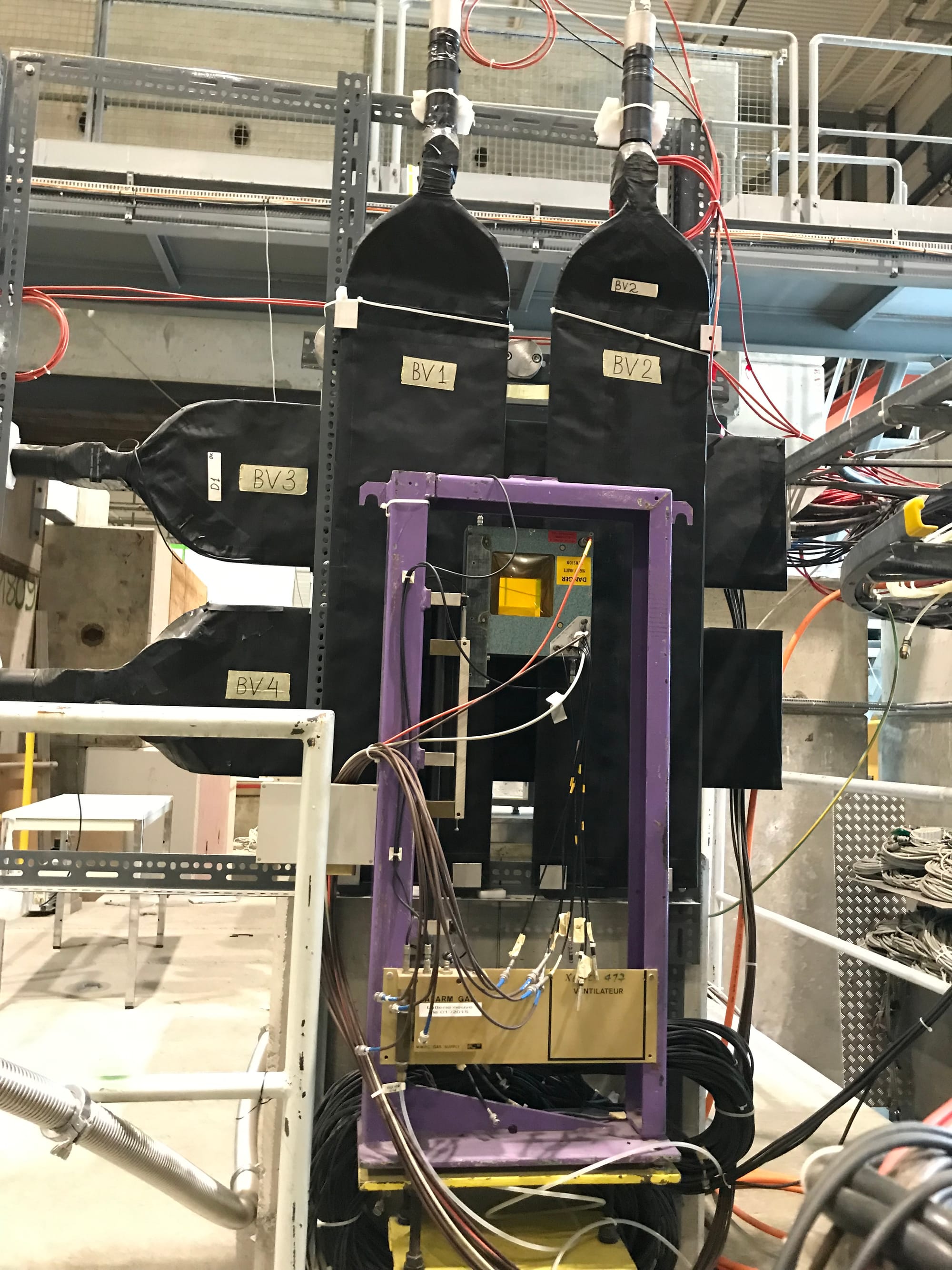
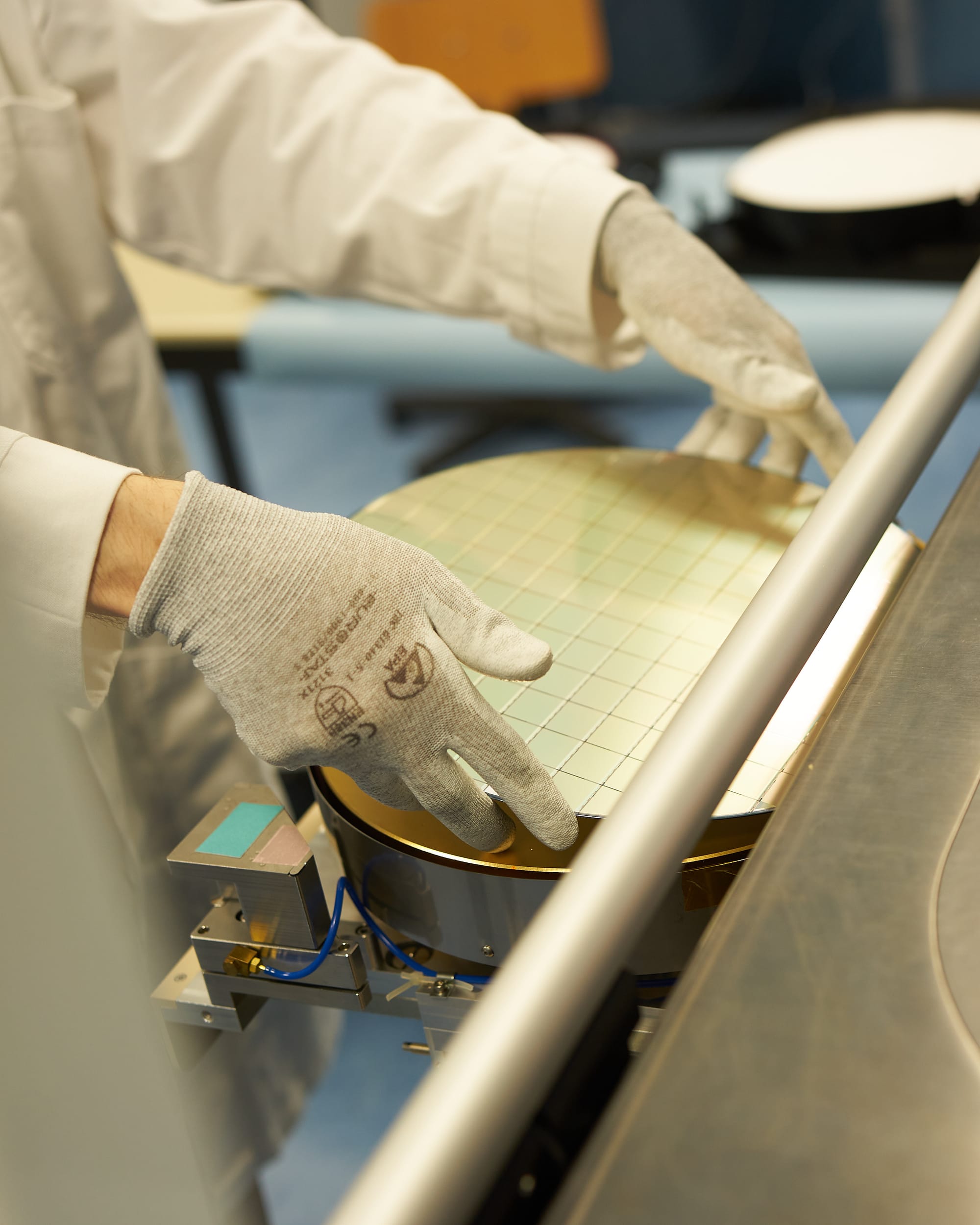
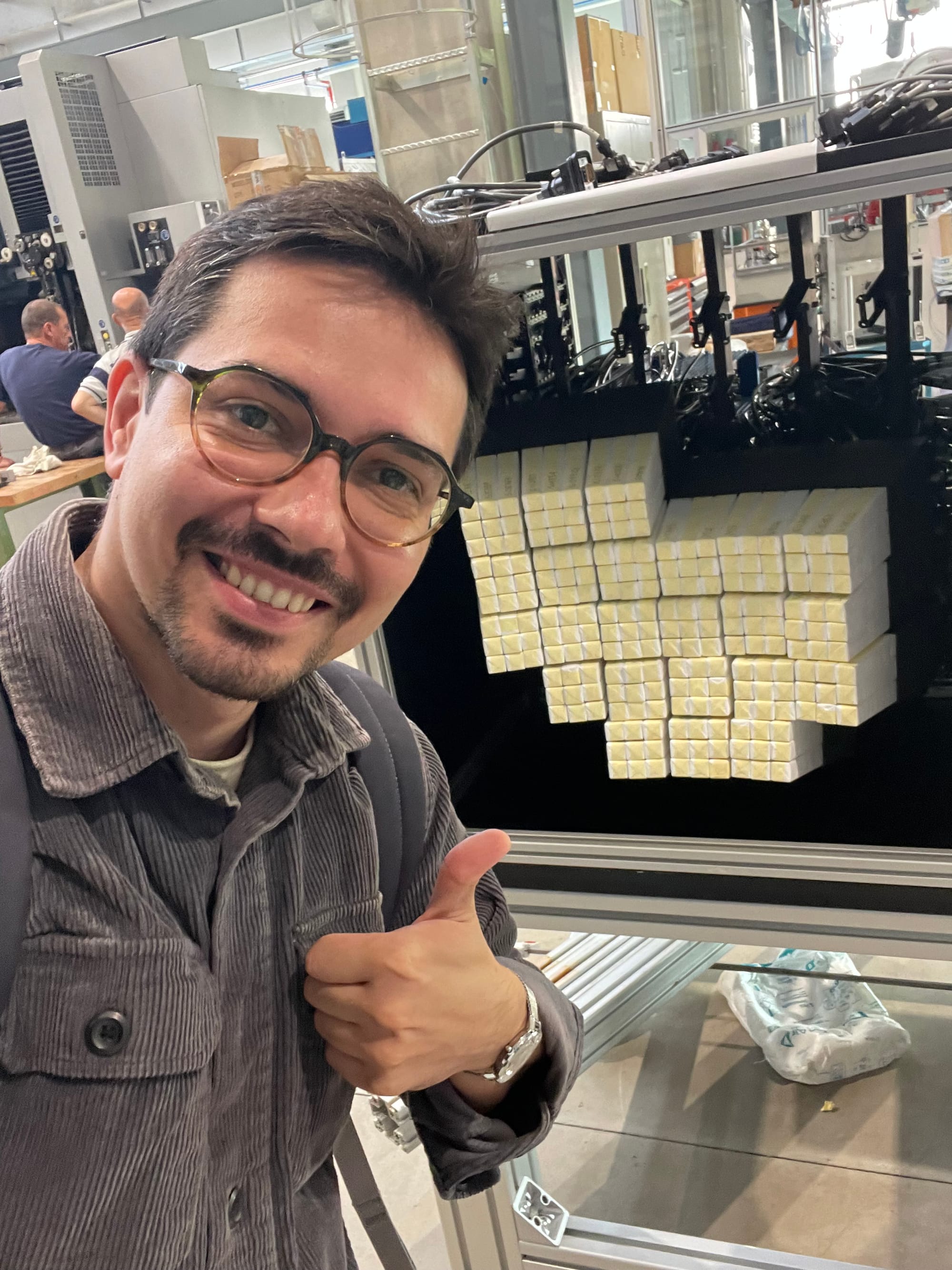
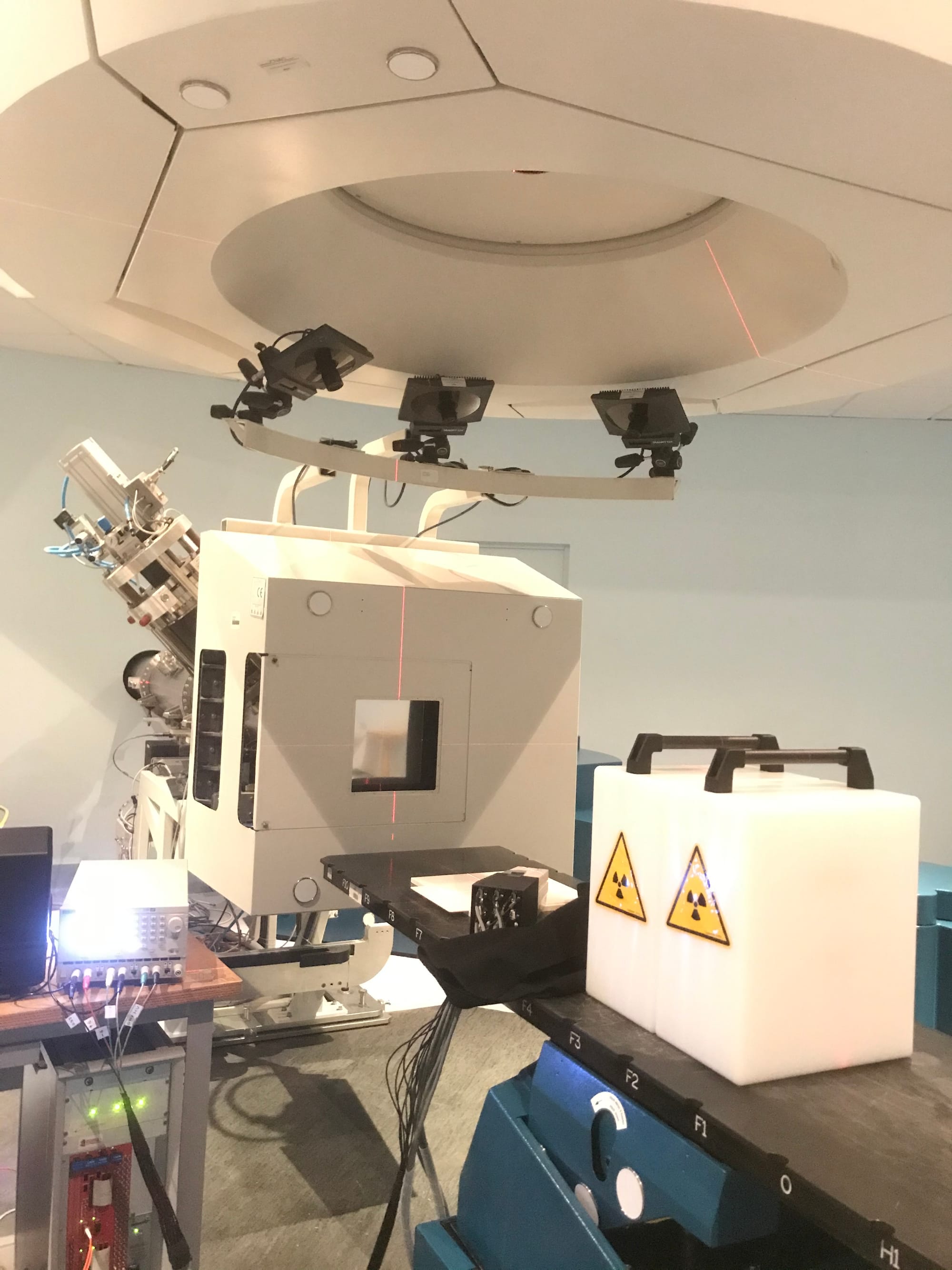
Photos from a few laboratories where I've worked on various projects (CMS cavern, control room and experimental hall at CERN, cleanroom and mechanical workshop at INFN, cancer treatment room at CNAO)
All these projects required a fairly unique combination of diverse skills. The few skills that are universally applied across all of them are:
- complex problem solving – to solve the unique challenges that don't have simple step-by-step instructions, forcing us to build custom solutions and ensure that they actually work using independent cross-validations;
- programming – to develop custom tools, workflows and data-processing pipelines within the limitations of available equipment and computing resources and budget;
- technical writing – to document our results in scientific publications;
- public speaking – to present our results at working meetings, scientific workshops and international conferences.
› More skills used in my research
Software development
My work relies a lot on programming, such as shell scripting, C++, Python, HTML/CSS, JavaScript. We do it primarily for UNIX applications that include automation scripts, data-processing and simulation algorithms, control and monitoring of custom hardware, data-acquisition systems, advanced statistical analysis and visualisations.
Depending on the amount and complexity of data, we also target different platforms, ranging from simple single-threaded CPU applications to parallelised or heterogeneous algorithms that can run on GPUs. Besides local execution, we do a lot of distributed calculations on HPC (High Performance Computing) clusters hosted by different laboratories.
Operation of laboratory equipment
A large portion of my experience comes from R&D, testing and operation of state-of-the-art detector technologies, most of which are based on custom CMOS sensors and readout chips. Working with these technologies involves a wide range of laboratory equipment and electronics, including power supplies, oscilloscopes, waveform generators, application-specific readout electronics and data-acquisition systems, climatic chambers or chillers, 3D printers, laser sources, etc.
At the CMS experiment I've spent hundreds of hours as a 24/7 on-call operator of various subsystems, as well as a "shift leader" of the whole operation crew, usually organised in 8-hour shifts.
DevOps and IT infrastructure
Every test of a detector prototype is a standalone mini-experiment, carried out using a custom-built data acquisition system, user interface, real-time monitoring, etc. For long-term reproducibility we rely a lot on open standards and open-source software. Therefore, we build the computing infrastructure and networking ourselves, to provide remote control and monitoring of the setup.
In projects with larger teams and more resources we set our own virtual machines to run automated pipelines for code validation, website updates, etc. We also use Docker and Apptainer for distributing more complex sets of software as reusable images.
Data science & Machine Learning
Every project at some point involves data, which has to be acquired, processed, analysed and transformed into something else – a predictive model, a measurement or a decision. The complexity of statistical analysis ranges from simple mean and RMS calculations (e.g. to evaluate detector-resolution parameters) to sophisticated multivariate statistical analyses to predictive models based on industry-standard ML frameworks.
In 2024 I won a competitive R4I (Research for Innovation) technology-transfer grant with my project muLINER – to develop a prototype of the modular and cost-effective detector of Cosmic Rays for long-term structural monitoring of large buildings (Italian patent application in progress).
As part of the project, I've also followed the course on entrepreneurship from GSoM (Graduate School of Management) at Politecnico di Milano, funded by INFN and CDP Ventures.
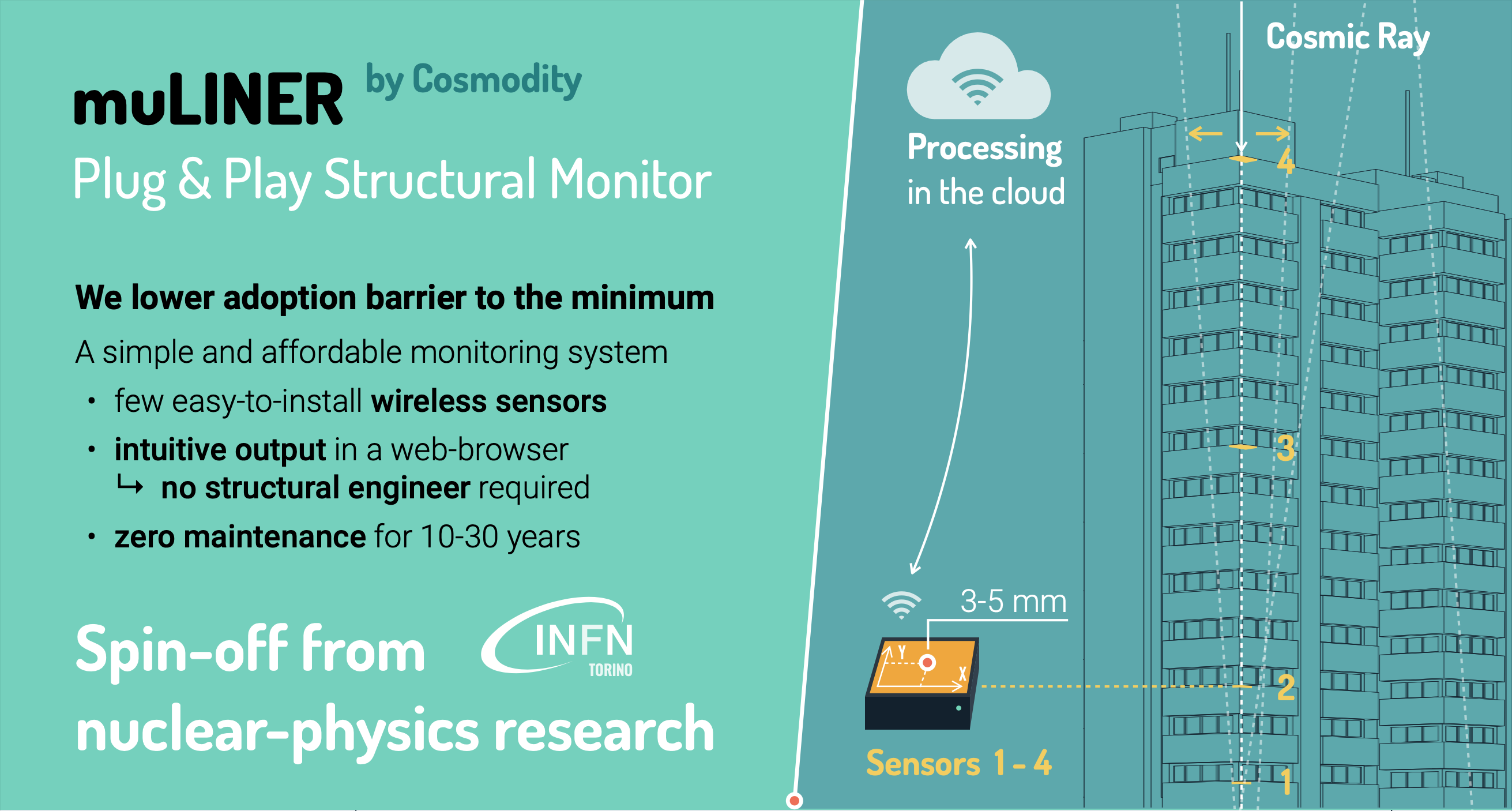
Starting from 2025 I'm also teaching at the department of Science and Innovative Technologies (DISIT) at UPO University (Università Piemonte Orientale), while continuing my research in association with INFN and CERN.
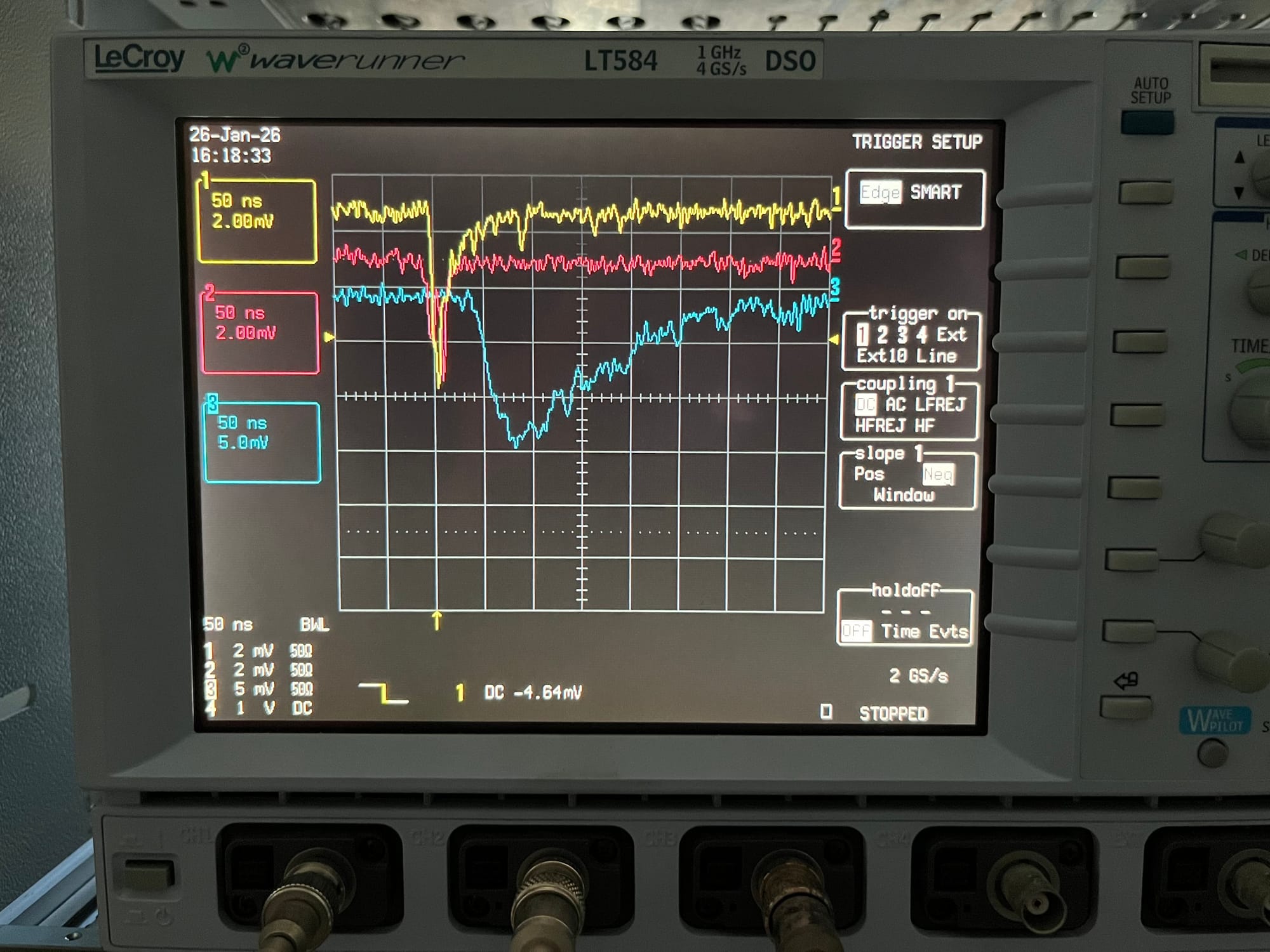
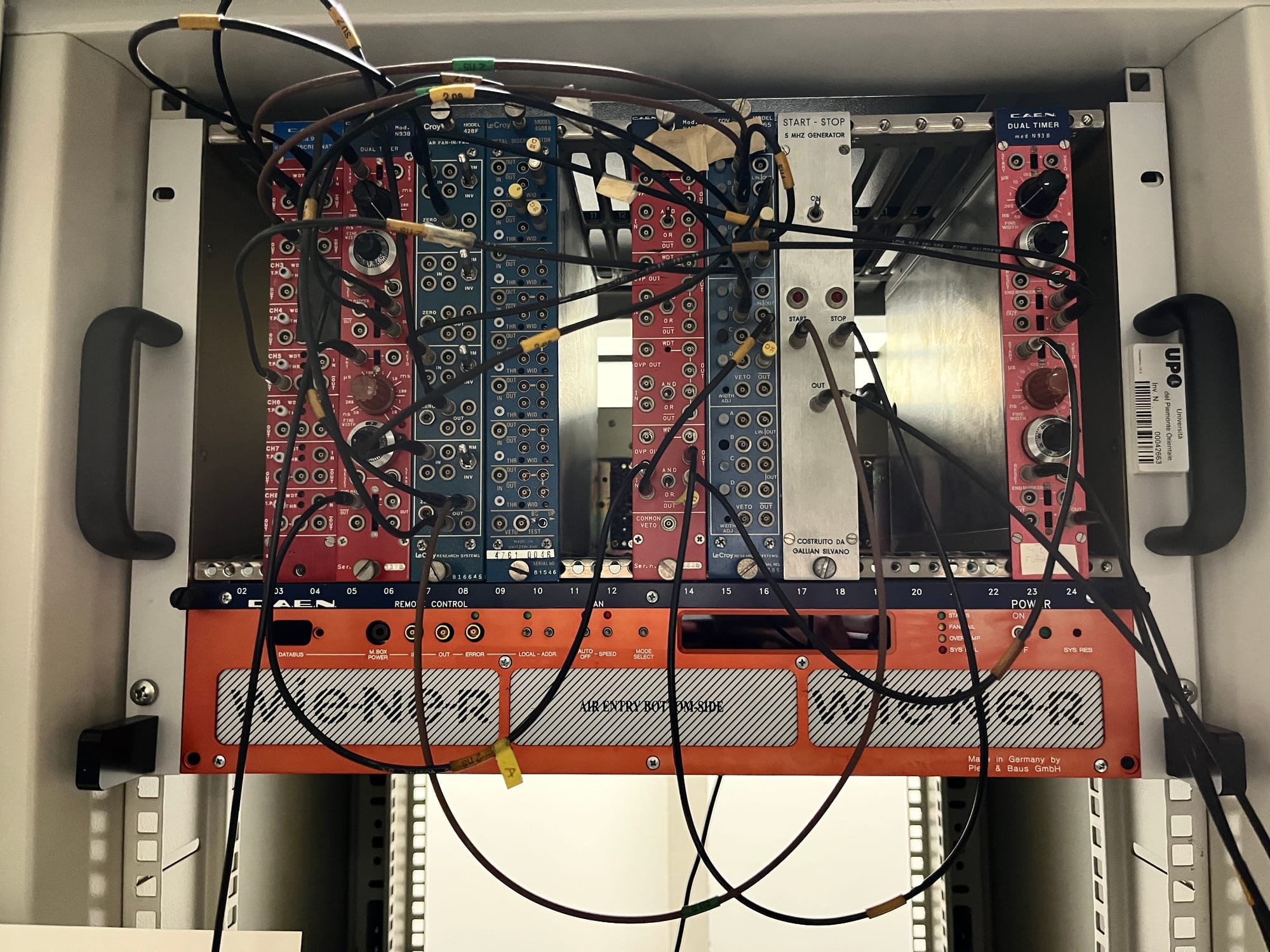
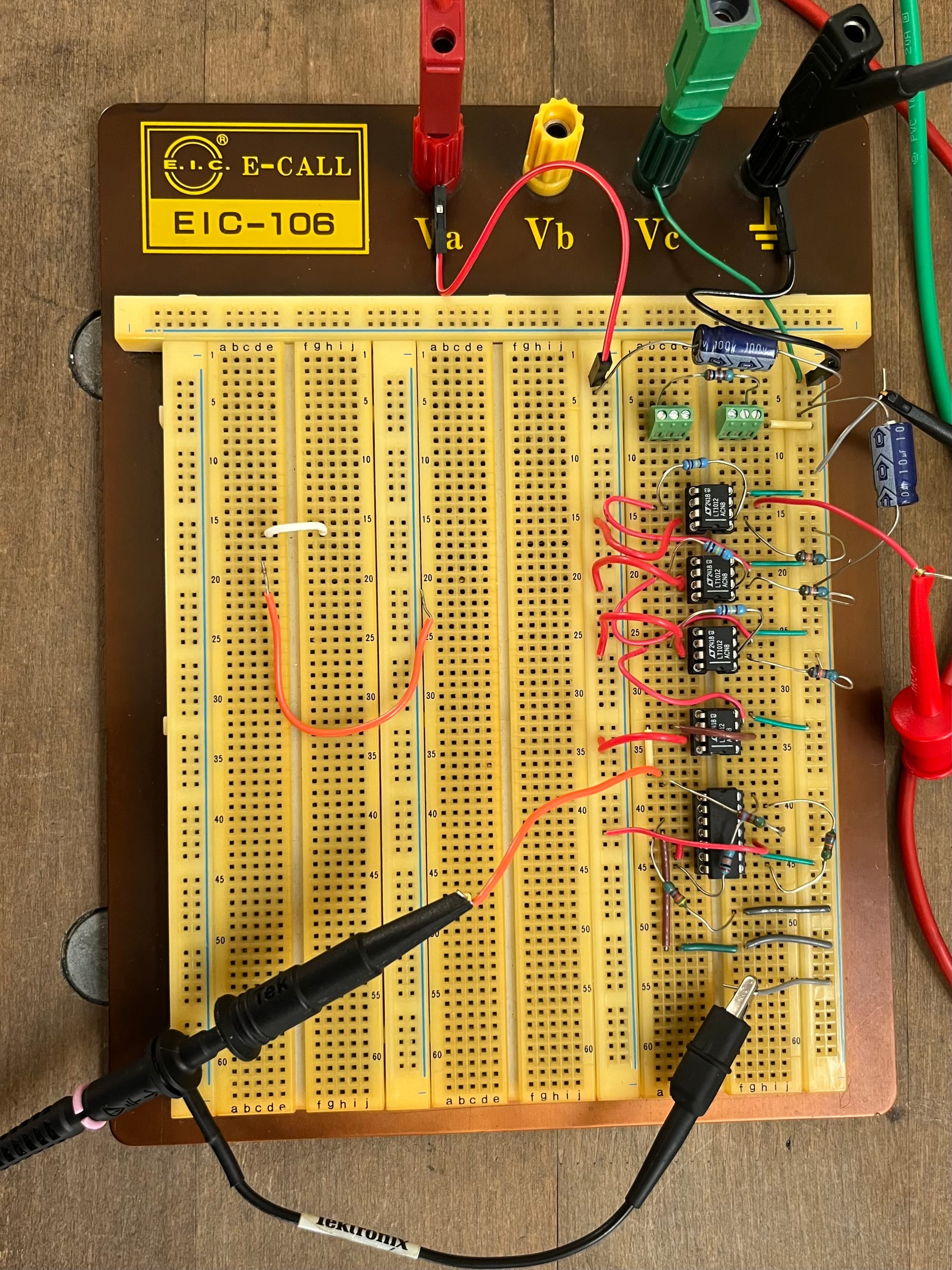
Particle-physics and electronics laboratory experiments for students at UPO